Many people want straighter teeth but feel unsure about wearing traditional braces. Metal brackets and wires can be noticeable, so many patients look for a more discreet option. Because of this, clear aligners have become a popular treatment for correcting mild alignment problems.
Minor crowding and small gaps between teeth are common dental concerns. Even though these issues may seem small, they can affect the appearance of a smile and how teeth function during everyday activities like chewing and speaking.
Clear aligners use a series of removable trays to gradually move teeth into better positions. This treatment is comfortable, simple to manage, and suitable for many teens and adults with mild alignment concerns. Understanding how aligners work helps patients see how treatment can improve both appearance and oral health.
Understanding Minor Crowding and Spacing Issues
Before learning how aligners correct alignment problems, it helps to understand what crowding and spacing actually mean.
What Is Minor Tooth Crowding?
Tooth crowding occurs when there is not enough space in the jaw for teeth to line up properly. When teeth compete for space, they may overlap or twist slightly.
Minor crowding often appears as slightly crooked front teeth or teeth that overlap just a little. While the problem may look small, crowded teeth can be harder to clean. When toothbrush bristles cannot reach tight spaces, plaque can build up between teeth.
Over time, plaque buildup may increase the risk of cavities or gum irritation. Straightening crowded teeth can make daily oral care easier and improve overall dental health.
What Causes Small Gaps Between Teeth?
Spacing issues occur when extra room exists between teeth. These spaces can appear anywhere in the mouth but are often most noticeable between the front teeth.
Several factors can cause spacing problems. Some people naturally have smaller teeth or larger jaws, which creates space between teeth. Missing teeth may also lead to gaps because neighboring teeth can shift over time.
Habits during childhood, such as thumb sucking, can also influence tooth spacing as the jaw develops.
Although small gaps may seem harmless, they can sometimes affect how teeth meet when biting or chewing.
What Are Clear Aligners and How Do They Work?
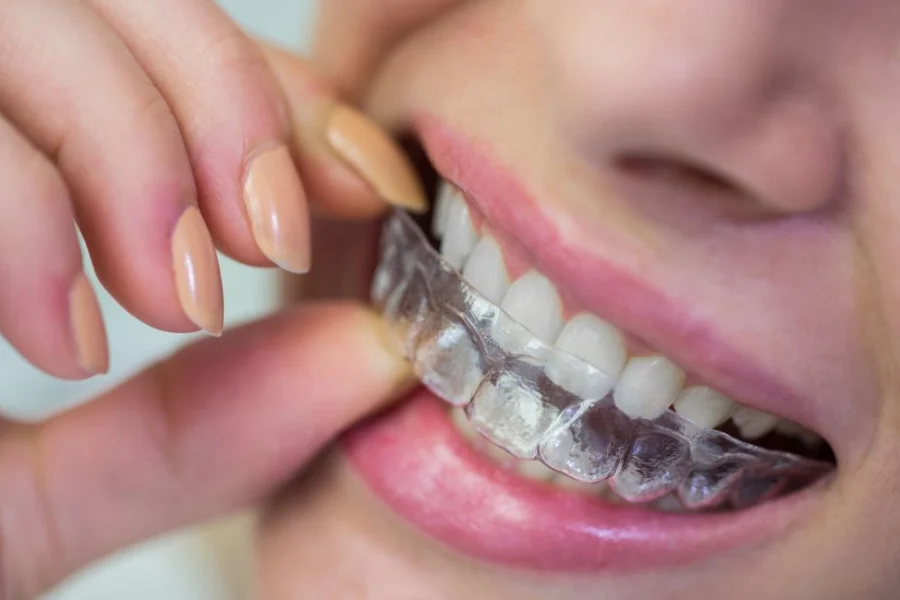
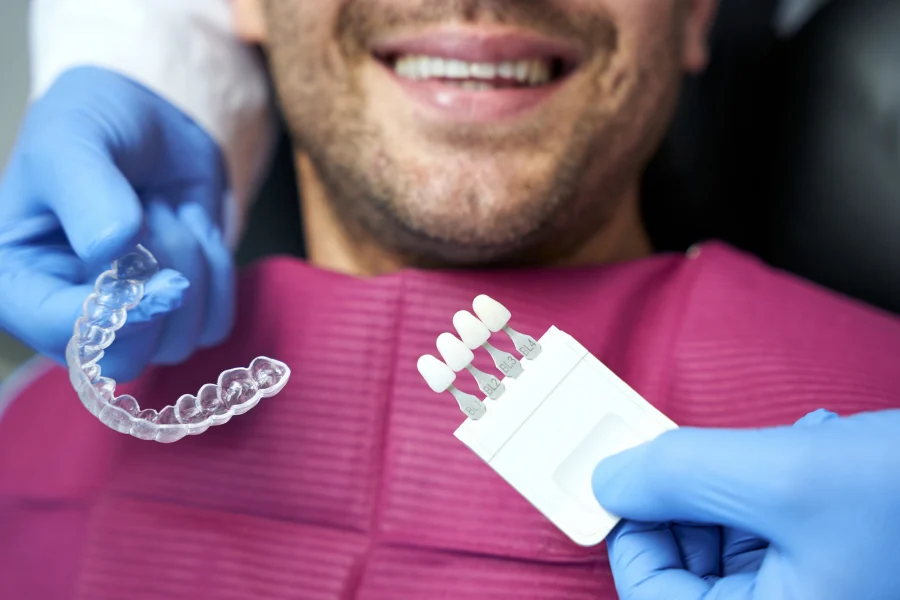
Clear aligners are transparent plastic trays that fit snugly over teeth. These trays gradually guide teeth into new positions without the need for metal brackets or wires.
Treatment uses a series of aligners that are worn in sequence. Each new aligner applies gentle pressure to move teeth slightly.
Custom Treatment Planning
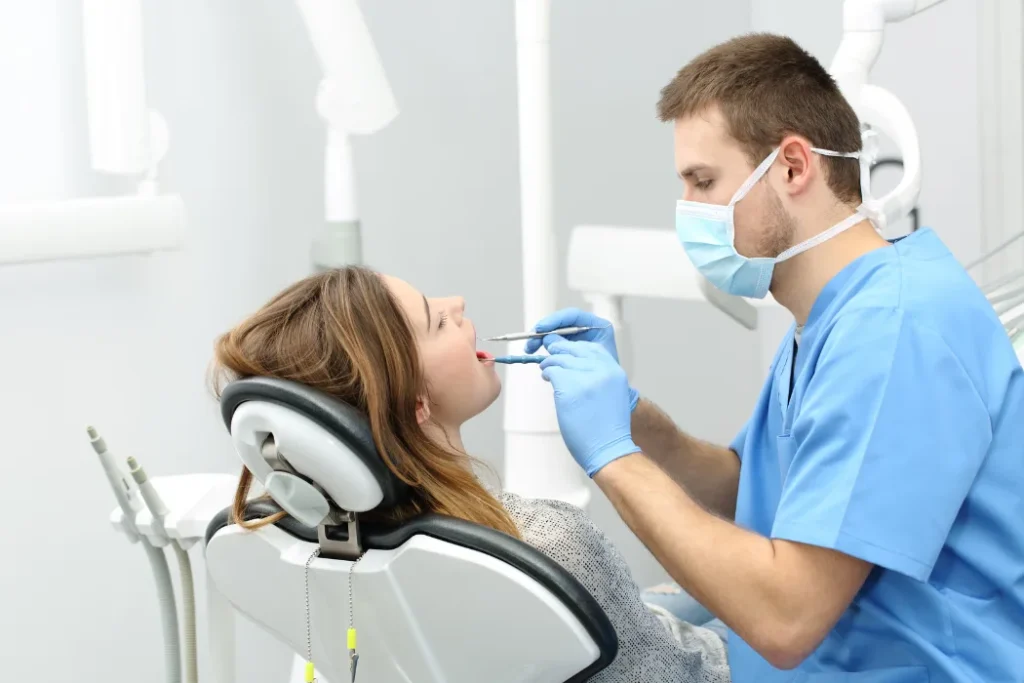
The process usually begins with a dental examination and digital scans of the teeth. These scans create a detailed 3D model of the patient’s smile.
Using this model, the dentist creates a treatment plan that shows how teeth will move step by step. Each aligner in the series is designed to guide teeth a small distance closer to their final position.
Patients typically wear each aligner for about one to two weeks before switching to the next tray.
Step-by-Step Tooth Movement
Clear aligners work by applying controlled pressure to specific teeth. This pressure encourages the surrounding bone to adjust as the teeth move.
Because the movements are small and gradual, many patients find aligner treatment comfortable. Each new tray continues the movement started by the previous aligner.
Over time, these small changes lead to noticeable improvements in tooth alignment.
How Clear Aligners Correct Minor Crowding
Minor crowding is one of the most common alignment issues treated with clear aligners.
A dentist in Niles may recommend clear aligners for patients whose teeth overlap slightly but do not require complex orthodontic treatment.
Gradual Tooth Shifting
Clear aligners work by slowly shifting crowded teeth into better positions. The aligner trays apply steady pressure that guides each tooth into alignment.
Patients often feel light pressure when they begin wearing a new aligner, but this usually fades within a day or two. This pressure simply means the aligner is working to move teeth.
With each aligner change, teeth continue moving closer to their correct positions.
Creating Space for Overlapping Teeth
Sometimes a small amount of space is needed to correct crowding. Dentists may create this space by smoothing tiny areas between certain teeth.
This process removes a very small amount of enamel to allow teeth to shift more easily. The amount removed is minimal and does not damage the tooth.
Once enough space is available, aligners guide crowded teeth into straighter positions.
How Clear Aligners Fix Small Spacing Problems
Clear aligners can also improve spacing issues by gradually moving teeth closer together.
Closing Gaps Between Teeth
Each aligner in the series helps move teeth slightly closer together. Over time, this gentle movement reduces the size of visible gaps.
Patients often notice improvement as treatment progresses. Small gaps between front teeth are especially responsive to aligner treatment.
As the gaps close, the smile begins to look more even and balanced.
Improving Bite and Alignment
Spacing problems can sometimes affect how the upper and lower teeth meet during chewing.
Clear aligners guide teeth into positions that improve the bite. When teeth meet more evenly, chewing may feel more comfortable.
Correcting spacing can also help distribute bite pressure more evenly across the teeth.
Advantages of Clear Aligners for Mild Alignment Issues
Clear aligners provide several benefits for patients with mild crowding or spacing concerns.
Nearly Invisible Appearance
One of the main reasons patients choose aligners is their clear design. The trays are transparent, making them difficult to notice during normal conversations.
This feature makes aligners popular among adults and teens who want to straighten their teeth without drawing attention to their treatment.
Comfortable and Removable
Clear aligners are made from smooth plastic that fits comfortably over the teeth. Because there are no wires or brackets, many patients experience less irritation inside the mouth.
Another benefit is that aligners can be removed during meals. This allows patients to eat most foods without restrictions.
Easier Oral Hygiene
Oral hygiene is usually easier with aligners compared to traditional braces.
Since aligners can be removed, patients can brush and floss normally. This helps keep teeth and gums healthy during treatment.
Who Is a Good Candidate for Clear Aligners?
Clear aligners work best for mild to moderate alignment concerns.
Teens and Adults With Mild Alignment Concerns
People with small gaps, mild crowding, or slightly crooked teeth often respond well to aligner treatment.
A consultation with a dentist in Niles can help determine if aligners are suitable for a patient’s specific dental needs.
Many adults choose clear aligners in Niles because they offer a discreet way to improve their smiles while continuing daily routines.
When Braces May Still Be Needed
While aligners work well for many cases, some dental problems require traditional braces.
Severe crowding, large bite problems, or teeth that need significant rotation may be better treated with braces. A dentist can explain the most appropriate treatment option based on the patient’s condition.
What to Expect During Clear Aligner Treatment
Understanding the treatment process helps patients feel more comfortable and prepared.
Consultation and Digital Scans
The first step in aligner treatment is a dental examination. Digital scans or impressions are taken to create a detailed model of the teeth.
These images allow the dentist to plan how the teeth will move during treatment.
At Family Dentistry of Niles, digital technology is often used to map tooth movement and show patients how their smiles may change over time.
Wearing and Changing Aligners
Patients usually wear aligners for 20 to 22 hours each day. The trays should only be removed when eating, drinking beverages other than water, or brushing teeth.
Every one to two weeks, patients switch to the next aligner in the series. Each new tray continues the gradual movement of teeth.
Consistency is important because wearing clear aligners regularly helps keep treatment on schedule.
Regular Checkups
Periodic dental visits allow the dentist to check progress and confirm that teeth are moving as planned.
These appointments are usually shorter than traditional orthodontic visits because no wire adjustments are required.
Caring for Your Teeth During Aligner Treatment
Good oral care plays an important role during aligner treatment.
Cleaning Aligners Properly
Aligners should be cleaned daily to keep them clear and hygienic. Many patients gently brush them with a soft toothbrush and rinse them with lukewarm water.
Hot water should be avoided because it may warp the plastic trays.
Keeping aligners clean helps maintain their transparency and comfort.
Maintaining Good Oral Hygiene
Patients should brush their teeth before putting aligners back in their mouths. This helps prevent food particles from becoming trapped between the aligner and the teeth.
Flossing daily is also important because it removes plaque from tight spaces between teeth.
Maintaining these habits supports healthy teeth and gums throughout treatment.
Conclusion
Clear aligners offer an effective way to correct minor crowding and spacing issues. By using a series of transparent trays, this treatment gradually moves teeth into better alignment without the need for metal braces.
The process involves careful planning, gradual tooth movement, and consistent wear of aligners. As treatment progresses, crowded teeth can become straighter and small gaps may close.
Many patients appreciate the comfort, convenience, and discreet appearance of clear aligners. For individuals living in Niles, IL, this treatment can provide a simple way to improve both the appearance and function of their smiles.
Patients considering orthodontic care in Niles, IL, may benefit from discussing their options with a dental professional who can evaluate alignment concerns and recommend the most suitable treatment plan.
Sources: